|
|
|
|
Prana Prathishta
|
|
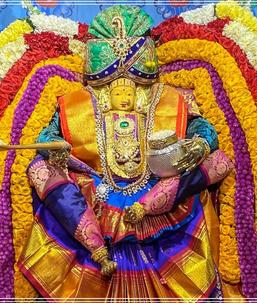
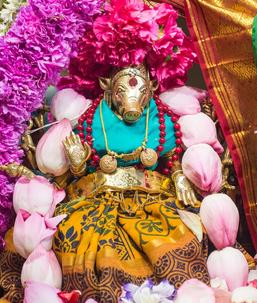
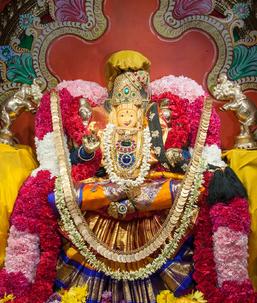
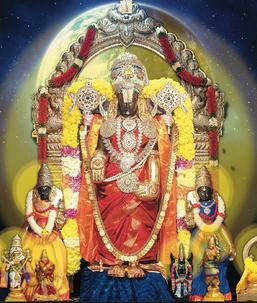
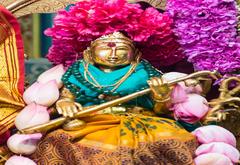
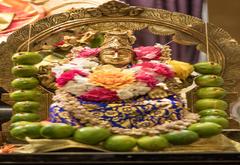
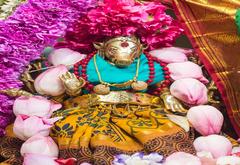
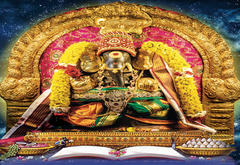
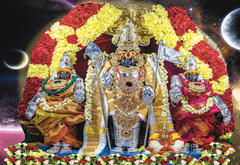
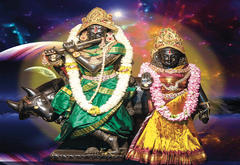
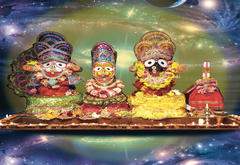
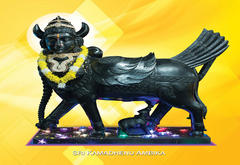
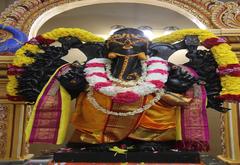
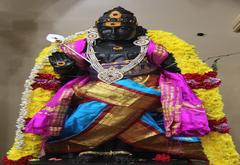
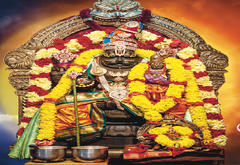
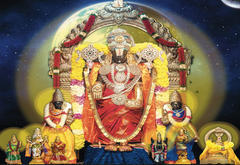
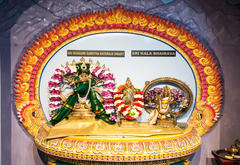
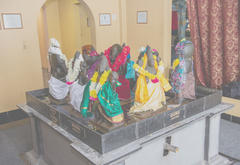
Installation of Vigrahas
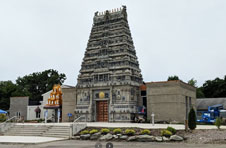
(Deity) at the Parashakthi Temple is been done with
Prana Pratheeshta
The process of worship in Hinduism invariably involves
the use of 3 basic techniques, namely the mantra, the
tantra and the yantra. Symbolically, they represent the
3 basic spiritual paths of Hinduism, made hugely popular
by the teachings of Sri Vasudeva Krishna in the famous
Bhagavad Gita. The mantra symbolically represents the
use of Jnanamarg, the path of knowledge, the tantra of
Bhaktimarg, the path of devotion, and the yantra of
Karmasanyasmarg or the path of detached action. Unless
these three are present in some form or combination, the
worship is incomplete.
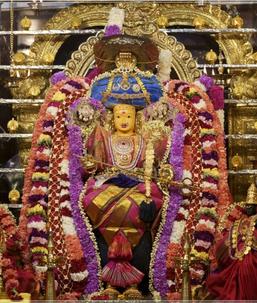
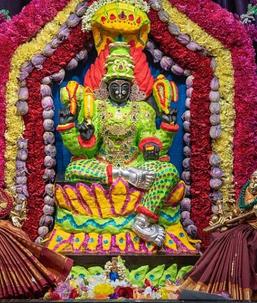
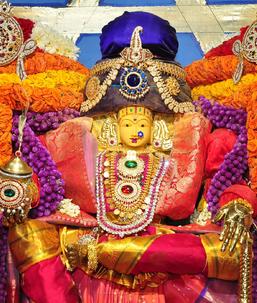
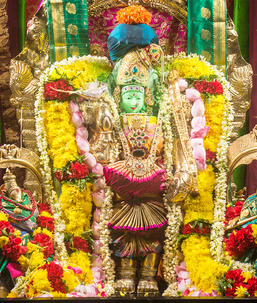
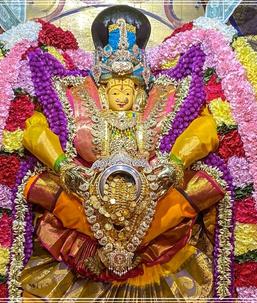
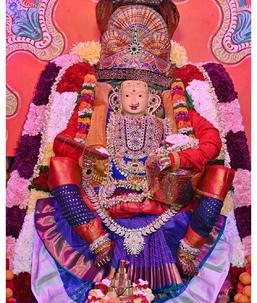
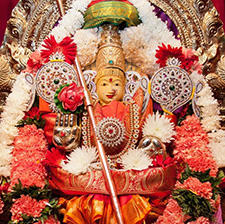
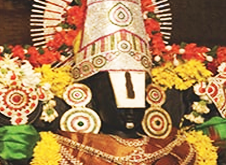
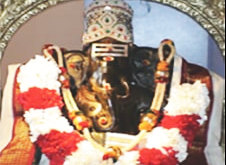
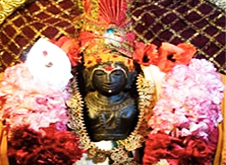
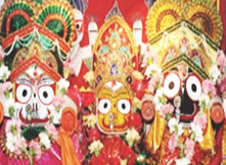
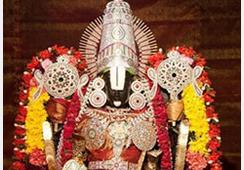
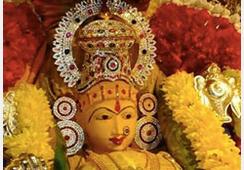
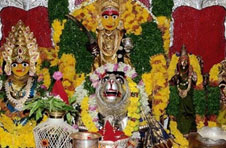
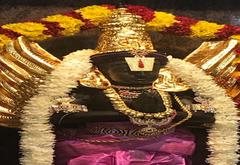
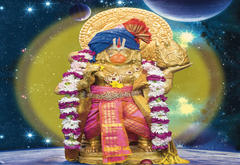
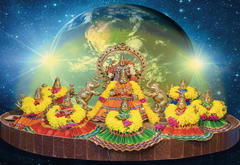
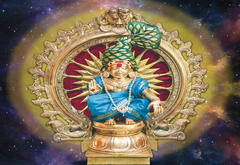
Images of a deity are just a symbolic representation of
an aspect of eternal Truth which must be energized by
Prana Pratishta. The Prana Pratishta at The Parashakthi
Temple is guided by Divine mother Herself .The Divine
Mother guides the diety to be installed and the proper
auspicious day to install so that the energy can fully
manifest and devotees can benefit from the alive diety.
The Divine mother also then gives mantra to be chanted
for the particular diety at The Parashakthi Temple. The
deities are consecrated at the temple in India. Dr
Krishna Kumar has done a special paryogam-special pooja
for each diety for 48 days, and then brought the diety
to the Temple.
The Prateeshta ritual aims
at bringing the unmanifest nirguna Brahman to a manifest
form Sagunabrahman in the murti (diety), giving energy
and attributes,fit for worship and endow Vigrahas with
divine powers.
This is accomplished by the power of the mantras that
are given to Dr Krishna Kumar during deep kundalini
meditation and recited by the priest and when
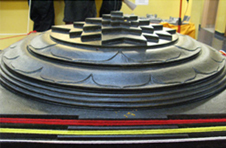
appropriate by devotees. The yantra, which is a
geometric representation of the power of the deity, is
installed in the place where the diety is installed
subsequently. Along with the yantra, precious metals,
precious stones, etc. are also placed.This is followed
by elaborate abhishekams with the sanctified waters from
the kalasas, along with the recitation of appropriate
mantras. After the installation ceremony thus performed,
the regular rituals such as homam, abhishekam, alankaram,
archana, etc. are performed routinely.
We are very fortunate and blessed to be given a very
powerful place of Worship by Divine Mother that is a
high vortex of energy as confirmed by many mystics with
so many active vibrations. Divine Mother has given us
the opportunity to explore and experience “Her” which is
something even the greatest of Gurus like Vashista (Guru
of Lord Rama) tried to achieve after severe penance and
She has given this Privilege to us at our Temple which
is “Her” place of Worship.
Several rites are performed at The Parashakthi Temple as
prescribed in the agamas, and the diety is installed.
Since mantras and yantras are so important for Divine
Mother Parashakthi’s earthly manifestation, “SHE”
summoned Guruji Swarna Venkateswara Deekshitar who is a
“Master” yantra maker to our Temple to do the
installation properly with mantra, tantra and yantra
rituals.
|
|
These rites start with Maha Ganapati or Vishwaksena
puja and include several preparatory rituals such as
punyahavachanam (purificatory rite);
Acharya ritvik varanam (assignment of duties to the
priests performing the ritual and offering of special
garments to them);
Kalasa sthapana (where the power of the divinities are
invoked in the waters kept in several kalasas (pots);
Agni pratishta (establishing the fire for performing the
fire oblations – (homams);
Vastu puja and homam to worship the Vastu Purusha;
ankuraarpanam (seeding of the soil; the growth of plants
from these seeds symbolizes the prosperity of the
temple);
The purificatory rites of the images through various
adhivasams where the images are kept in dhaanyam
(grains of paddy)- dannyathivasam, jalam (water)
Jaladhivasam, offering flowers-Pushpadhivasam,offering
of ksheeram (milk), and hanam (gold, silver, etc); and
the final adhivasam, called sayanathivasam, which is the
resting of the images in new clothes on beds under
blankets. The moola mantra homams (oblations done while
reciting the moola mantra for each divinity) are
performed on several days to invoke the power of the
deities in the images. Netronmeelanam is another
ritual in which the sthapathi/priests open the eyes of
the murtis. |
The Use of Mantra: A
mantra is an invocation, containing a sacred syllable or
set of syllables. When a mantra is uttered with specific
rhythm, with sincerity of devotion and purity of thought
and action, and with phonetic and grammatical accuracy,
in a manner prescribed by the scriptural injunctions of
the Vedas or some authoritative scripture, it is to
invoke a particular deity and compel the deity and
enabled to assist the invoker to achieve a desired end.
When a complicated ritual such as a soma sacrifice or
some other yajna is performed, not one but many deities
are invoked simultaneously by groups of priests chanting
various mantras. Their chanting creates the necessary
vibrations in the atmosphere to awaken the deities and
facilitates their descent to the place of worship. The
sound that is generated by the chanting of the mantras
is very important, but is not the only requirement for
the yajna to be successful. The remaining requirements
are the appropriate use of tantra and yantra, which will
be explained later. It is believed that hidden in each
mantra is the energy of a particular deity which remains
normally latent, but becomes active the moment the
mantra is pronounced accurately in the manner prescribed
by the shastras. The divinity awakens only if the
vibrations generated by the chanting matches with its
basic frequency. Besides this, the appropriate use of
tantra and yantra must fit in the overall purpose of the
worship and remain in harmony with the expectations of
the divinity to whom they are directed.
The Use of Tantra:
Tantra is the systematic use of the body and the mind as
the physical instruments of divine realization. The body
and the mind constitute the lower self and together they
aim to indulge in the desire oriented actions of the
lower self to perpetuate the interplay of the triple
gunas, namely, sattva, rajas and tamas. Primarily, they
are the chief instruments of the divine Prakriti,
otherwise called Maya, and they play their dutiful roles
quite efficiently and effectively and succeed mostly in
keeping the soul chained to the earth and go through the
ordeal of births and deaths by the inexorable law of
karma. Tantra aims to liberate and transform these two
so as to make them the true instruments of the hidden
self. Hindu scriptures declare unequivocally that
transformation of the body and the mind is the most
difficult part of one’s spiritual journey and that most
of our difficulties on the path come because of our
inability to deal with this problem successfully. Tantra
is therefore a very important and integral part of Hindu
spiritualism and equally maintains its place in the
ritual part of the religion.
The Use of Yantra:
Yantra is the use of certain external objects, symbols
or some mechanical means to worship the divine. The act
of folding of hands in front of the deity is but a kind
of yantra only. The manner in which a fireplace is built
for the performance of some vedic sacrifice, the method
in which the place is prepared and the materials (sambhra)
are assembled, the manner in which the oblations are
poured into the fire, the way the priests sit around the
altar, and in fact the very act of chanting of the
mantras with mechanical precision form part of yantric
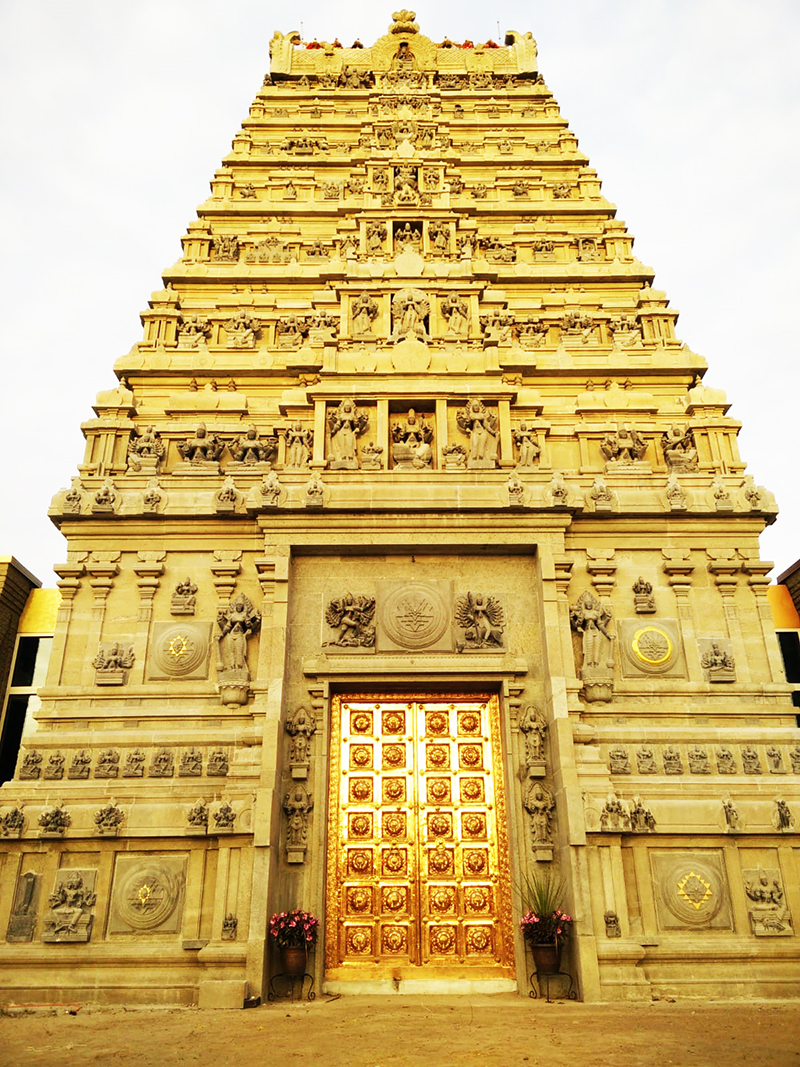
worship. The very design of the temple as an outer
symbol of the existence of the Divine on the material
plane, the act of visiting the temple, circling around
the temple, entering the temple, the lighting of the
lamps in front of the divine, the decorations and the
ornamentation so characteristic of hindu temples and
places of worship, the manner in which the images are
built and installed, the lighting of the lamps, the
offerings, the method of worship, the partaking of
prasad, and in short any practice that is mechanical,
symbolic and ritualistic to a degree, form part of this
approach. |
|
|
|